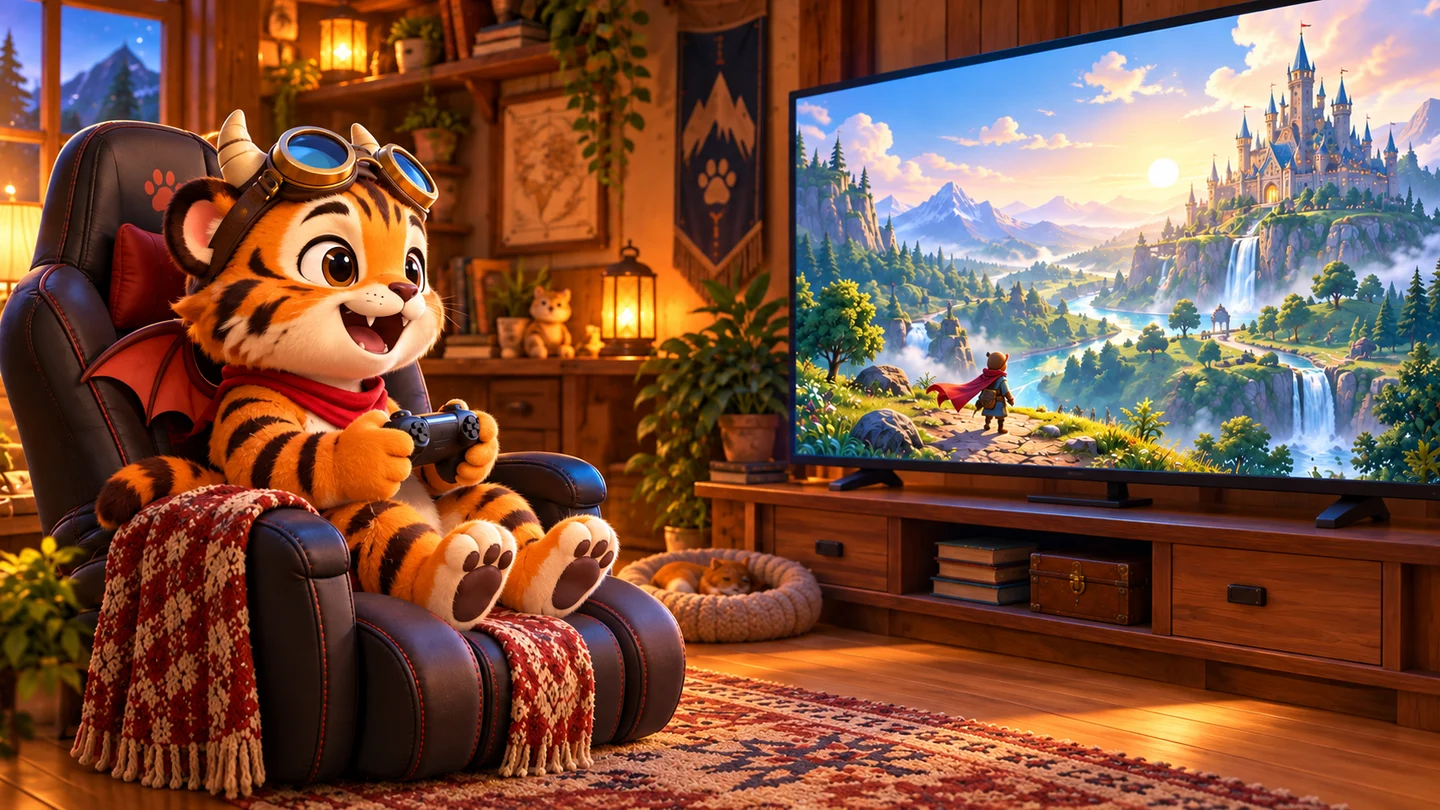
The renewed appeal of story-driven single-player games can be understood through a simple need: entertainment that fits around life. When seasonal tasks and limited-time events start feeling like obligations, a journey with a beginning, middle and ending offers relief. That does not mean online games are losing their purpose. It helps explain why a complete, self-paced experience can feel especially attractive.
Why story-driven single-player games offer more control
The attraction goes beyond playing alone. Players may want to stop without missing exclusive rewards or falling behind friends. Someone who only plays on weekends, for example, might prefer continuing a mystery to spending an evening completing tasks before an event expires. The difference is how much attention a game asks for between sessions.
- A definite ending: finishing the story provides closure without requiring participation in another season.
- Flexible pacing: players can explore slowly or concentrate on the main storyline.
- Clearer spending: when the initial purchase includes the desired experience, budgeting becomes simpler.
What to check before buying a single-player game
Single-player does not automatically mean offline, free of additional purchases or easy to resume after a break. A game may require a connection, offer expansions or leave returning players struggling to remember its controls. Evaluate the actual design and purchase terms instead of relying on the category label.
- Session flexibility: can you pause and save conveniently? Do uninterrupted sequences fit your available time?
- Ease of returning: does a quest journal or story recap explain your current objective?
- Content and cost: what does the edition include, and do you need any extras for the experience you want?
- Access requirements: do its connection, account and hardware requirements suit your circumstances?
Match a story-driven game to your actual schedule
Start by identifying how long you usually play and what you want from that time: relaxation, curiosity or challenge. Then watch a spoiler-light gameplay segment. Pay attention to dialogue, combat and opportunities to save. Finally, check the edition description and technical requirements. If interruptions are common, convenient stopping points may matter more than the total amount of content.
What a finite single-player game means for publishers
A project with an ending can define its content boundaries more clearly and reduce the need to keep adding activities indefinitely. That does not automatically make development inexpensive or success easy to measure. Costs still depend on scope, complexity and execution, while patches and player support may continue after release.
Revenue may depend heavily on launch performance, although later sales can still contribute. Publishers must weigh the budget, audience demand and support obligations. For buyers, the useful distinction is whether the game delivers a satisfying experience within its stated scope. A finished storyline does not compensate for technical problems.
Frequently asked questions
- Can every single-player game be played offline? No. Check its connection and account requirements before buying.
- Does buying once rule out further spending? No. Additional content may be available; check whether the included experience meets your needs.
- Should busy players always choose shorter games? Not necessarily. Saving, pausing and clear reminders can matter as much as overall length.
- Will story-driven games replace online games? Not necessarily. They serve different needs, and players can enjoy both at different times.
About this article
This article is an editorial synthesis by DETOON explaining the appeal of story-driven single-player games, rather than a measured market report. When specific details matter, verify edition contents, costs and connection requirements through official sources.