On October 30, 2026, the day before Halloween, the United States marks a rather unusual observance: National Candy Corn Day. Behind those tiny yellow, orange and white sweets lies a story stretching back more than a century, from rural farm life to modern Halloween culture.
What is special about October 30?
When people think of late October, most think immediately of Halloween on the 31st. But exactly one day earlier, Americans celebrate a familiar treat. October 30 is National Candy Corn Day — a food-culture observance designated by the National Confectioners Association, not an official global holiday. In 2026 it falls on a Friday, just as Halloween preparations enter their final stretch.
What makes candy corn so famous?
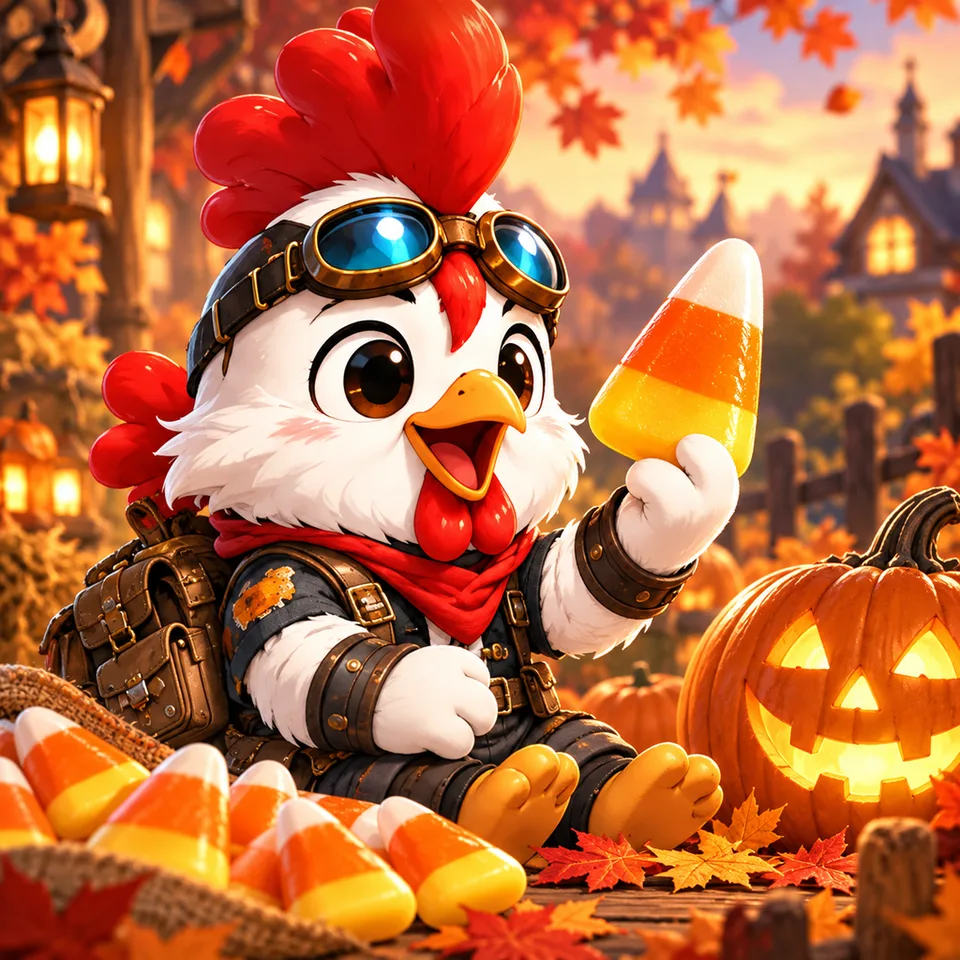
Candy corn is a small sugar candy shaped like a corn kernel, with three signature layers: a white tip, an orange middle and a yellow base. Despite the name, its traditional ingredients are mainly sugar, corn syrup and flavor-and-texture agents — not actual corn coated in sugar. Its charm lies in shape and color: the kernels evoke the harvest season, and today just seeing yellow, orange and white together makes many people think of Halloween.
From “chicken feed” to a Halloween icon
According to materials presented by the Smithsonian, candy corn appeared in the 1880s. George Renninger, a confectioner at the Wunderle Candy Company in Philadelphia, is often credited with creating it. By 1898, the Goelitz Confectionery Company (today Jelly Belly) began bringing candy corn to a wider market.
Curiously, candy corn was once sold under the name “Chicken Feed.” It sounds odd for a candy, but it fit an agricultural America where corn was cheap feed for livestock and poultry. Early packaging even featured a rooster alongside the slogan “Something worth crowing for.” At first the candy was tied to the harvest rather than Halloween; only by the mid-20th century, as children's costume-and-candy customs spread, did candy corn gradually become iconic.
Halloween was not always a candy holiday
It is hard to picture Halloween today without bags of colorful candy, but history tells a different tale. According to the Smithsonian, in the early 20th century Halloween was not a season confectioners especially focused on; costumes, games and autumn gatherings mattered more. As trick-or-treating spread, sweets moved to center stage. From the 1950s, candy makers promoted harder during Halloween and pre-packaged candy grew popular for easy handing out — and candy corn benefited clearly from the shift.
Why is candy corn so divisive?
Not every Halloween icon is universally loved, and candy corn is a telling example. Fans enjoy its intense sweetness, distinctive texture and childhood nostalgia. Detractors complain it is too sweet or that the texture is off-putting. That very split makes candy corn a recurring subject of good-natured debate each Halloween: some call it essential, others use it only as decoration.
A small candy, a piece of American memory
Few foods keep their shape and identity across generations the way candy corn has. From hand-poured color layers to industrial production lines, the familiar three-tone look endured. Surviving more than a century shows that a food can carry value beyond mere taste — becoming part of tradition and a marker of the season. So National Candy Corn Day is not just about eating candy; it is a chance to see how ordinary products become cultural symbols over time.
What else falls on October 30, 2026?
Besides National Candy Corn Day, October 30, 2026 also coincides with National Frankenstein Friday — observed on the last Friday of October, honoring the Frankenstein character and the literary legacy of author Mary Shelley. Some places mark their own occasions too. One distinction matters: these are cultural observances, not officially recognized global holidays. Halloween itself still falls on October 31.
Frequently asked questions
- What is October 30? — It is National Candy Corn Day in the US, a food-culture observance that falls right before Halloween.
- Is candy corn made from corn? — No. Despite the name, it is mainly sugar and corn syrup; the name comes from its corn-kernel shape.
- Why was candy corn once called “Chicken Feed”? — Because corn was then cheap feed for chickens; the earliest packaging even showed a rooster with the slogan “Something worth crowing for.”
- When was candy corn created? — In the 1880s, tied to George Renninger (Wunderle Candy Company, Philadelphia); Goelitz brought it to a wider market from 1898.
- Why is candy corn controversial? — Fans love its sweetness and nostalgia, critics find it too sweet; it has become a familiar, playful debate each Halloween.
One day before Halloween, the world of sweets has its own story too. From the odd name “Chicken Feed” to its distinctive three-tone shape, candy corn shows how even a tiny treat can become the symbol of a whole season. And you — if you had to pick one Halloween candy, would you choose candy corn or chocolate?