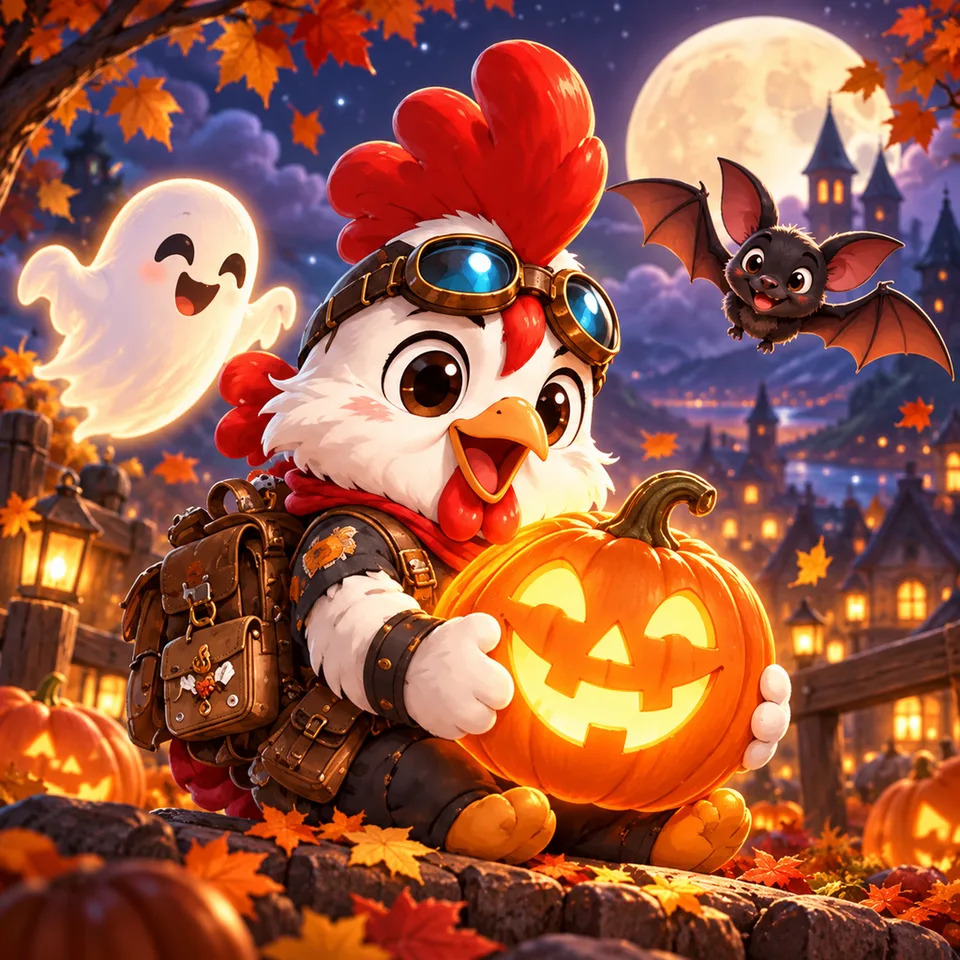
Every October 31, glowing pumpkins, ghostly costumes and knocks at the door for candy appear everywhere. But why does Halloween have these peculiar customs? The answer lies in a blend of ancient festivals, folk belief and modern popular culture.
What is Halloween?
Halloween is held every October 31 and is popular in the US, Canada, Ireland and the UK, and increasingly in many other countries. Today it is associated with costumes, home decorations, horror movies, parties and trick-or-treating — children going house to house for candy. But Halloween did not begin as a candy holiday or a commercial event.
The name Halloween comes from “All Hallows' Eve,” the night before All Saints' Day in Western Christian tradition. Many modern Halloween customs are also linked to Samhain, the Celtic festival marking the turn from harvest to winter. Importantly, Halloween has no single origin: the customs we see today formed, changed and blended over many centuries.
Why is Halloween tied to ghosts?
In folk traditions linked to Samhain, late autumn was seen as a transition between seasons, and some beliefs held that the boundary between the living and the dead grew thin. Stories of spirits, darkness and supernatural forces gradually attached to this time. People said wearing masks or strange costumes might help the living avoid being recognized by spirits — though this is folk explanation, not evidence that ghosts truly appear.
Over time, witches, ghosts, skeletons, bats and mysterious creatures became part of Halloween. In the modern era, film and entertainment spread these images further. Halloween thus carries traces of ancient belief while also being a playful costume festival.
Why carve pumpkins into spooky faces?
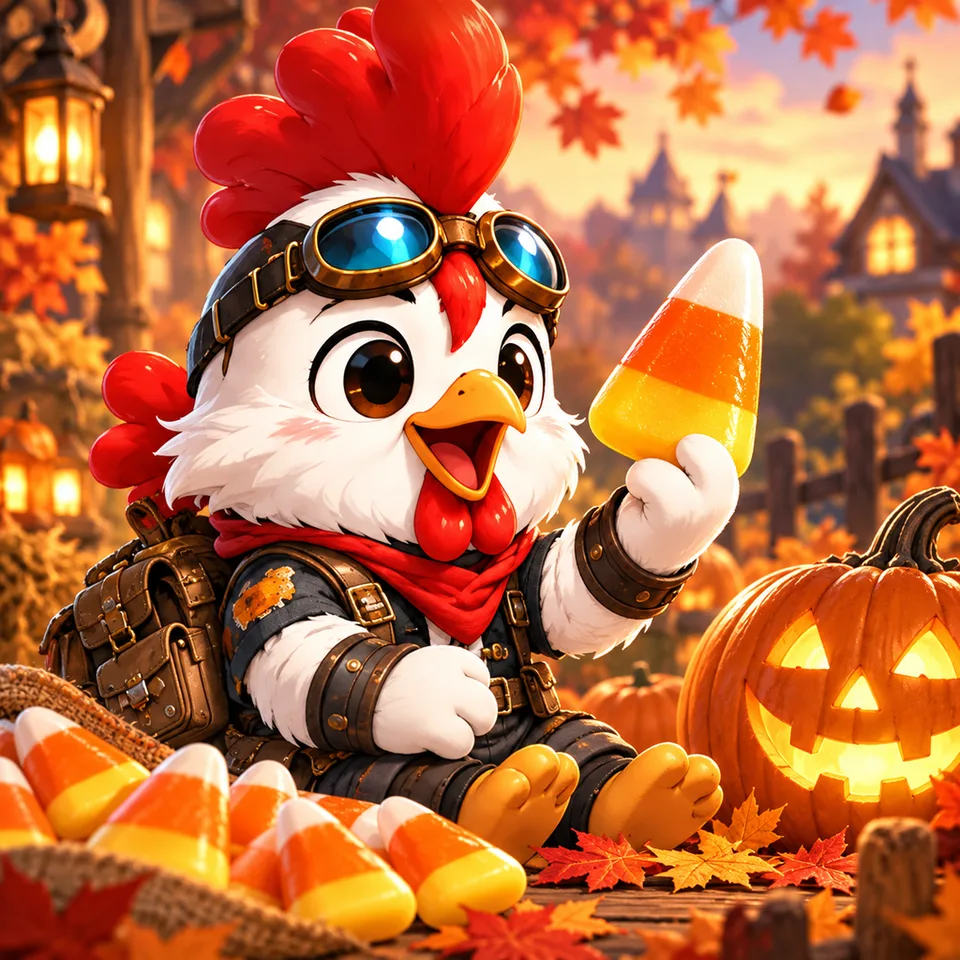
One of Halloween's most famous symbols is the pumpkin carved with eyes, nose and mouth and lit from within — the jack-o'-lantern. The name is tied to an Irish folk legend about a figure often called Stingy Jack. In popular versions, Jack was a trickster who repeatedly fooled the devil; after death he could find no resting place and had to wander with a small light.
Interestingly, the Irish did not always use pumpkins — they once carved vegetables like turnips into lanterns with frightening faces. When Irish immigrants came to North America, pumpkins proved more convenient: common, large and easy to shape. Gradually, pumpkins replaced the traditional roots and became the Halloween symbol the world knows today.
Why do children go door to door for candy?
Trick-or-treat roughly means “give a treat or get a trick”: children dress up, knock on doors and receive candy or small gifts. The custom's origin is not fully settled. Some researchers link it to medieval “souling,” when the poor went house to house for food in exchange for prayers for the dead. Another explanation points to “guising” in Scotland and Ireland, where participants wore costumes and sang, told riddles or performed for a reward.
As these customs developed in North America, they gradually formed the modern version of trick-or-treat. From the mid-20th century in particular, children's candy-seeking grew more common in the US, and candy makers began promoting Halloween-specific products — so candy became an indispensable part of the holiday.
Why is Halloween always on October 31?
October 31 is the eve of All Saints' Day, held on November 1 in the Western Christian calendar. The closeness of these religious feasts and autumn folk traditions helped shape Halloween. Today the holiday is fixed to October 31 regardless of the weekday. In 2026, Halloween falls on a Saturday — convenient for weekend festivities, though the actual scale depends on each locality.
Is Halloween a holiday of the devil?
This is a common misconception. Halloween has many frightening symbols, but that does not mean everyone taking part believes in ghosts or practices supernatural rituals. For many families, Halloween is simply a chance for children to dress up, neighbors to meet and everyone to enjoy themselves; the scary imagery is mostly used as cultural and artistic flavor. Of course, views can differ by community, belief and family tradition.
Why is Halloween growing popular in Vietnam?
In Vietnam, Halloween is not an official holiday, but it has grown familiar through movies, social media, video games, schools and commercial activities. Many cafes, malls and entertainment venues host costume programs, pumpkin decorations or horror-themed events. For many young people it is a chance to create costumes, take photos and join community activities — showing that a festival with ancient roots can still be adopted and reshaped in a new cultural setting.
Frequently asked questions about Halloween
- When is Halloween? — Every year on October 31.
- What day is Halloween 2026? — October 31, 2026 falls on a Saturday.
- Why does Halloween use pumpkins? — The jack-o'-lantern tradition began with carved root vegetables in Ireland; pumpkins became popular as the custom spread in North America.
- What does trick-or-treat mean? — The custom of children in costume going house to house for candy or small gifts, usually with the phrase “Trick or treat!”.
- Is Halloween an official holiday in Vietnam? — No. It is a cultural and entertainment activity, not an official public holiday.
Halloween is more than pumpkins, ghosts and bags of colorful candy. Behind October 31 lies a story about how people viewed the harvest, darkness, death and the unexplained. From turnip lanterns in Ireland to glowing pumpkins in America, from medieval food-gathering to modern candy bags, Halloween has changed a great deal — and perhaps that is the most interesting part: a festival once tied to ancient fears is now a time for people to play, create and share eerie tales together.